
shen su
-
Class (10 – 12) – The Final Steps
Week 4 This is the view from my quarters in the small town of Keihoku, a blend of industry, country-side living, and Nature. The morning mists and surrounding mountains were signaling the start of Autumn while our course was coming… Continue reading

-
Artist Collaborations
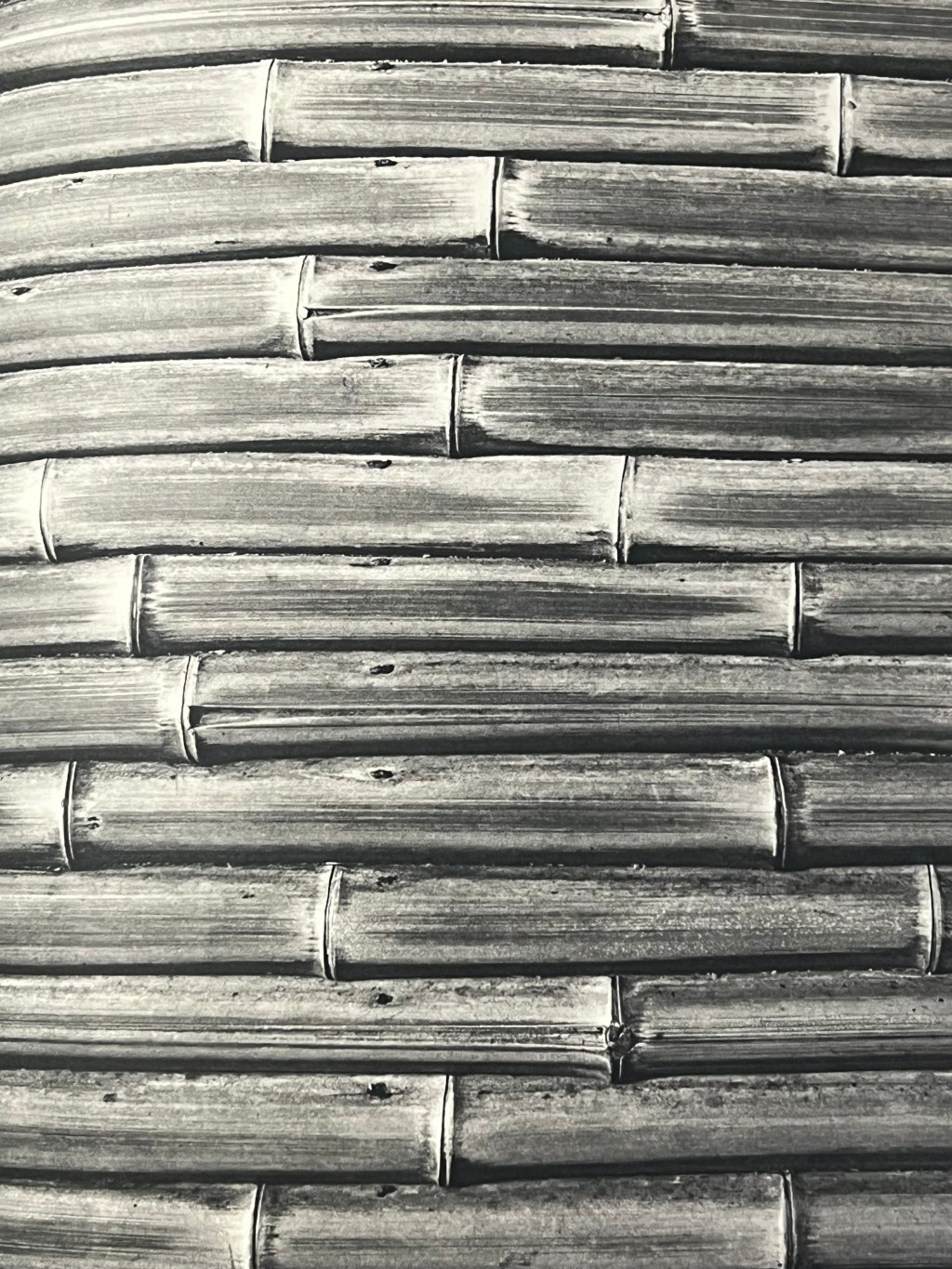
Throughout the apprenticeship, I was pleasantly surprised to see the ways in which so many artists and craftspeople were collaborating together. In place of scarcity-based competition was collective-based support and community. There was so much respect and genuine friendship amongst… Continue reading
-
Class (7 – 9) – Sashimono Joinery
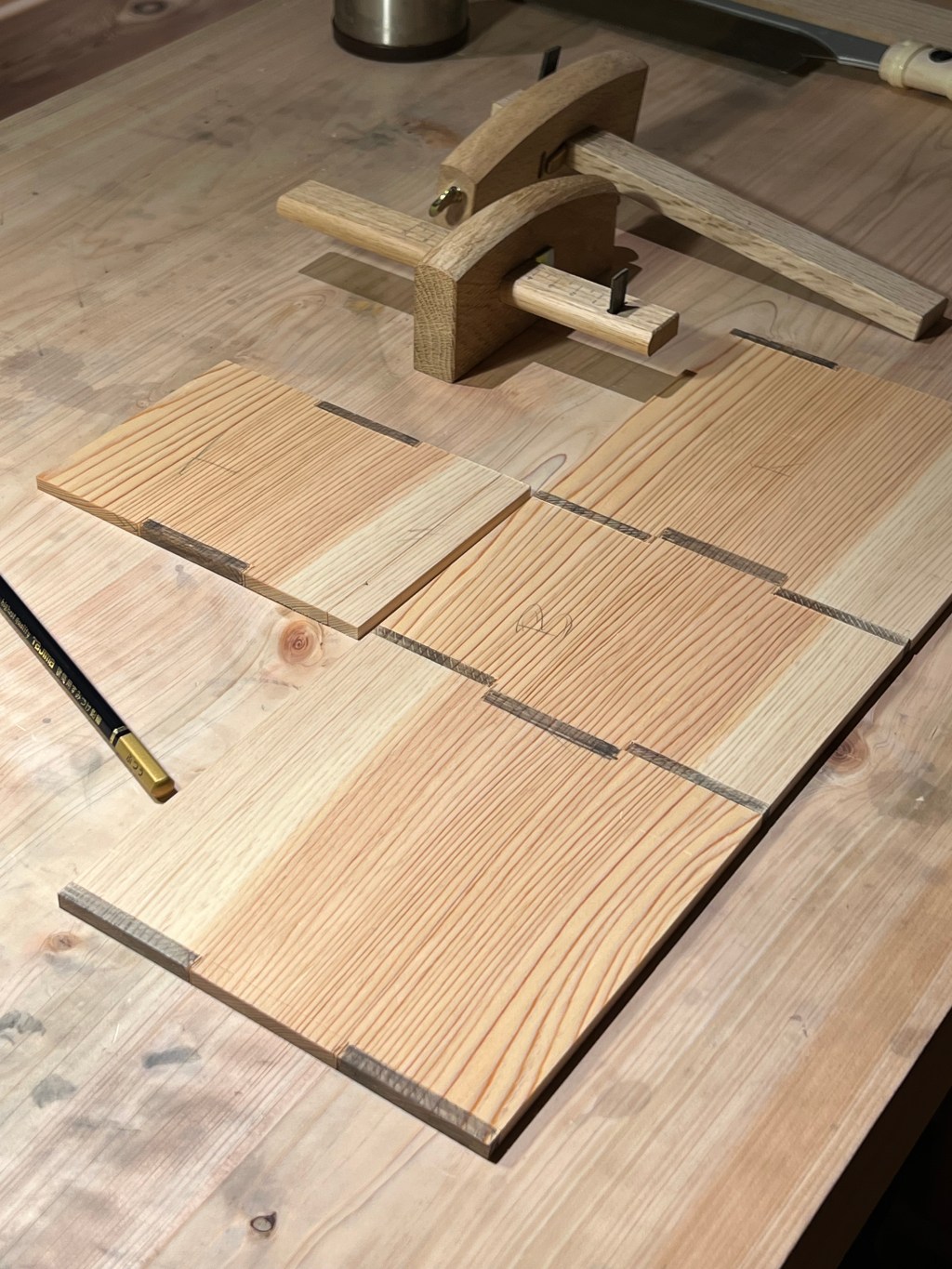
Week 3 At this point in the apprenticeship, we have learned some of the foundational skills for woodworking in general; how to sharpen almost any blade, mark and follow a reference line, saw by hand, and plane pieces down (on… Continue reading
-
Urushi
I’ve been looking forward to this part of the apprenticeship for a long time, well before the program, in fact, not only because I practice kintsugi and am familiar with using urushi, but because I’ve known there is a method… Continue reading

-
Class (4 – 6) – Traditional Techniques
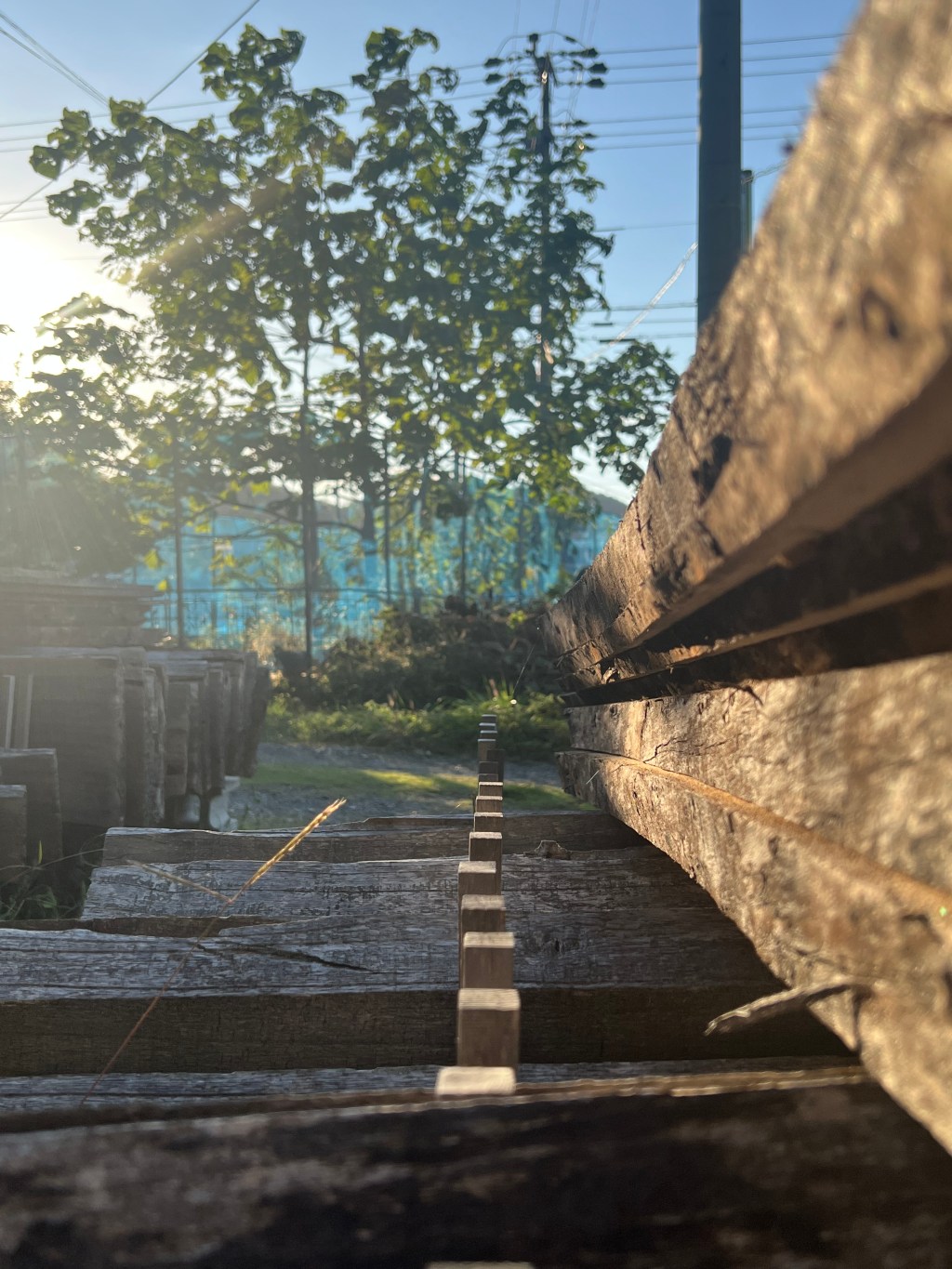
Class 4 started out with a tour of my teacher’s on-site Paulownia storage and his workshop. He ages his Paulownia the traditional way, storing it outside for between 3 to 5 years, which stabilizes the wood physically, chemically, and aesthetically… Continue reading
-
Paulownia & Kyoto-style Sashimono
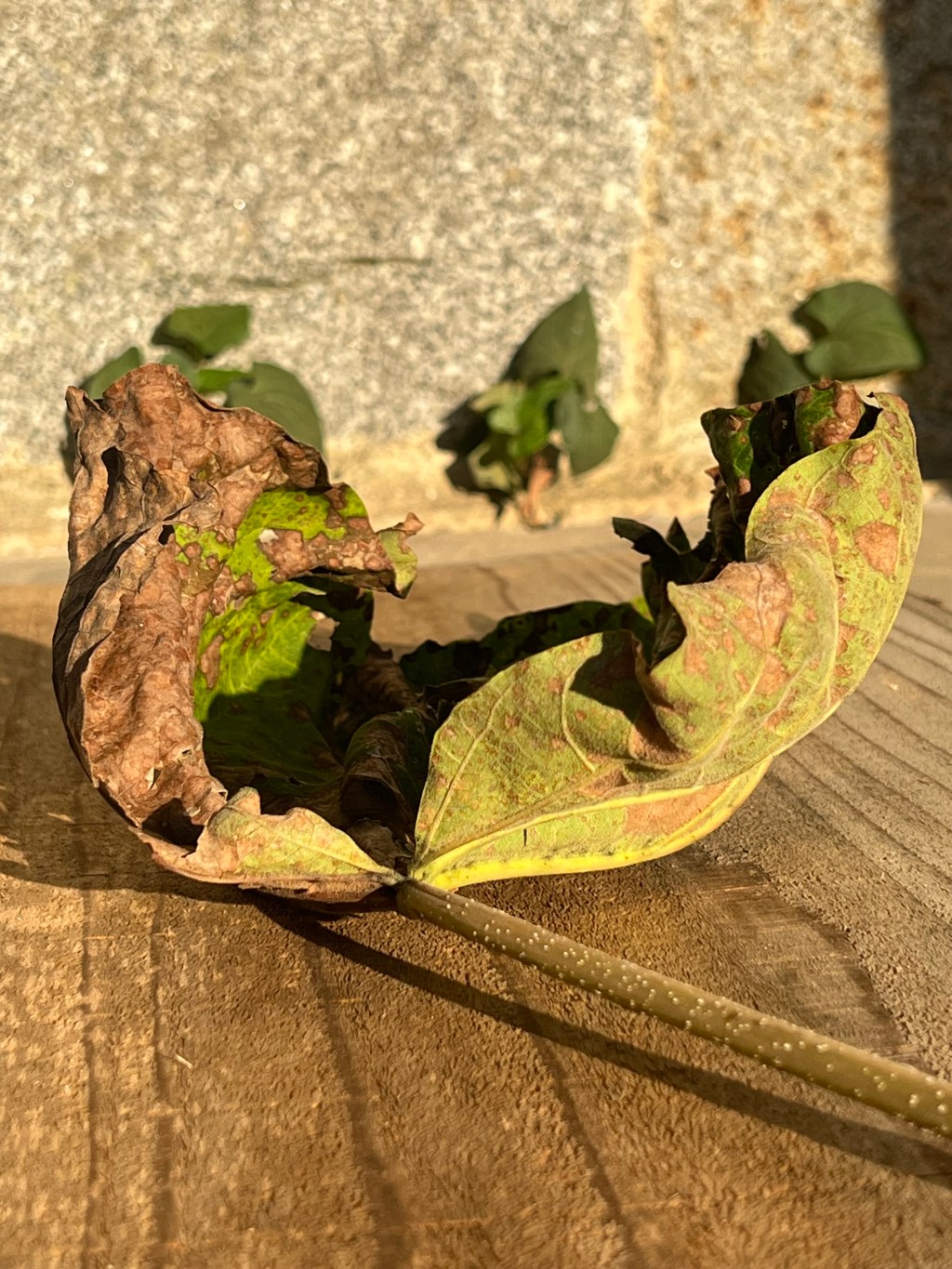
In Kyoto-style Sashimono, Paulownia wood or 桐 (kiri) is most often used when joining wood pieces together to make boxes, such as the ones we are currently making as part of our apprenticeship. For example, 桐箱 (kiribako) means Paulownia-wood storage box.… Continue reading
-
Class 3 – Embodying the Blade
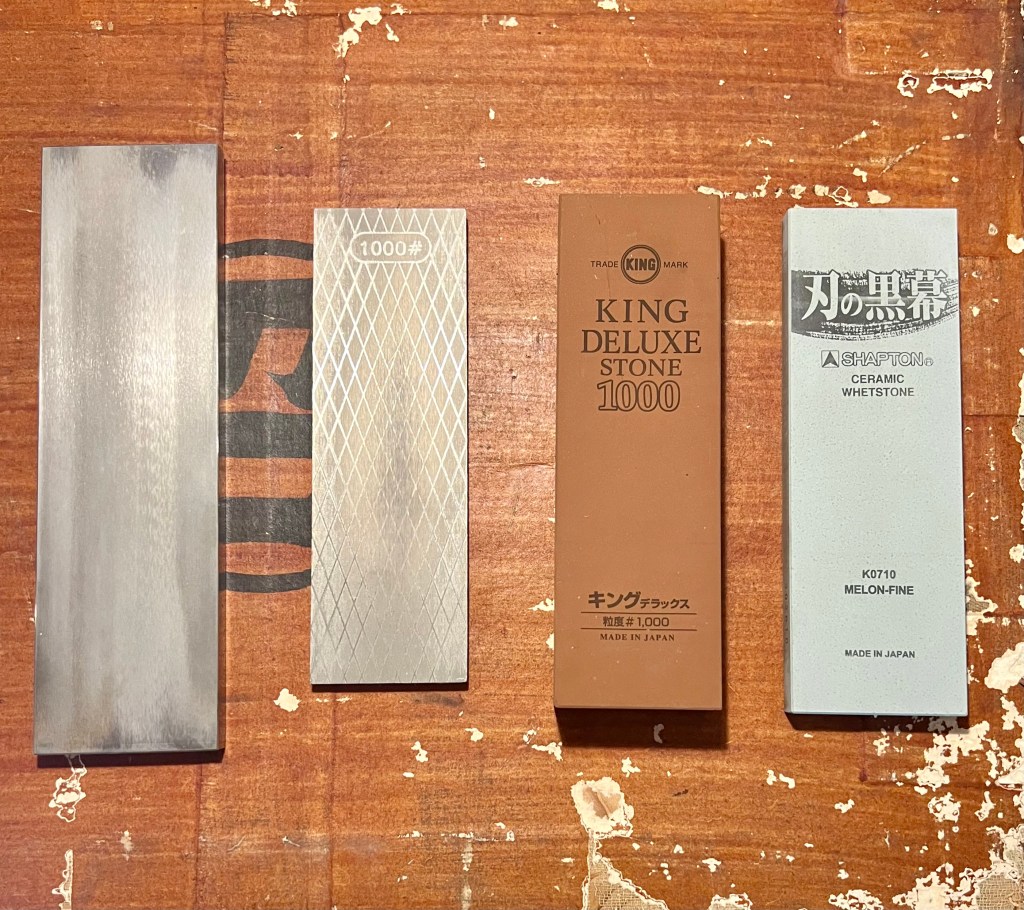
You guessed it—we sharpened all day. We use an extremely flat metal plate (far left), which is only used to flatten the back of blades The 1000/400 diamond plate (2nd from left) is for flattening the whetstones. 1000 surface only.… Continue reading
-
Class 2 – Sharpening the Mind
Today was straightforward. In order for these Instruments of the Way to really support the craft they have to be sharpened, but sharpened Japanese-style, and that means paying attention to a lot of detail at every step and taking your… Continue reading
-
Class 1 – Instruments of the Way
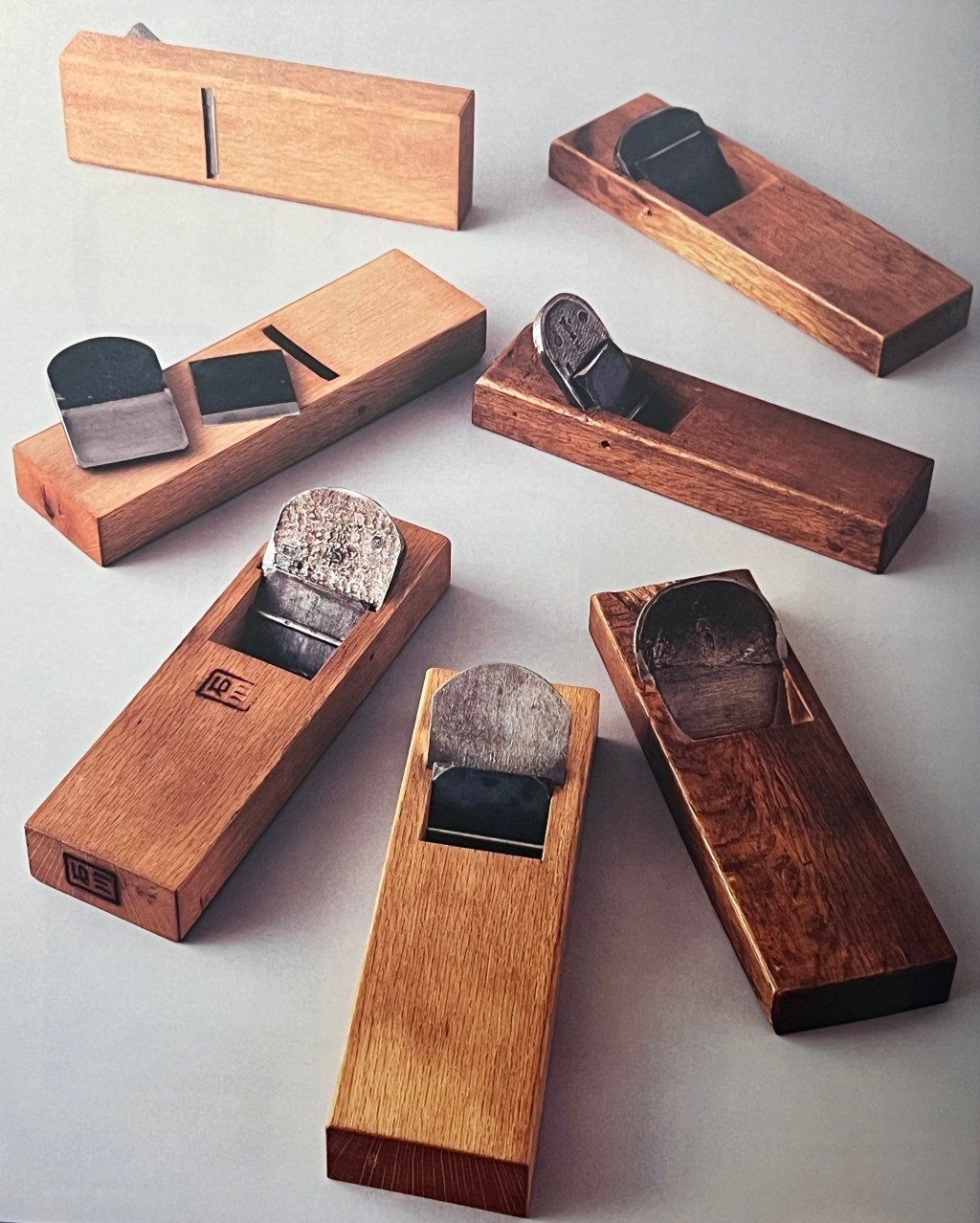
The word for “tools” in Japanese is 道具 (どうぐ) pronounced, “dōgu” which is a powerful word with a beautiful meaning, Dō means “way” or “path” and gu means “instrument”, “equipment”, or “utensil.” So it roughly translates to “Instrument of the… Continue reading
-
A Shinto Ceremony
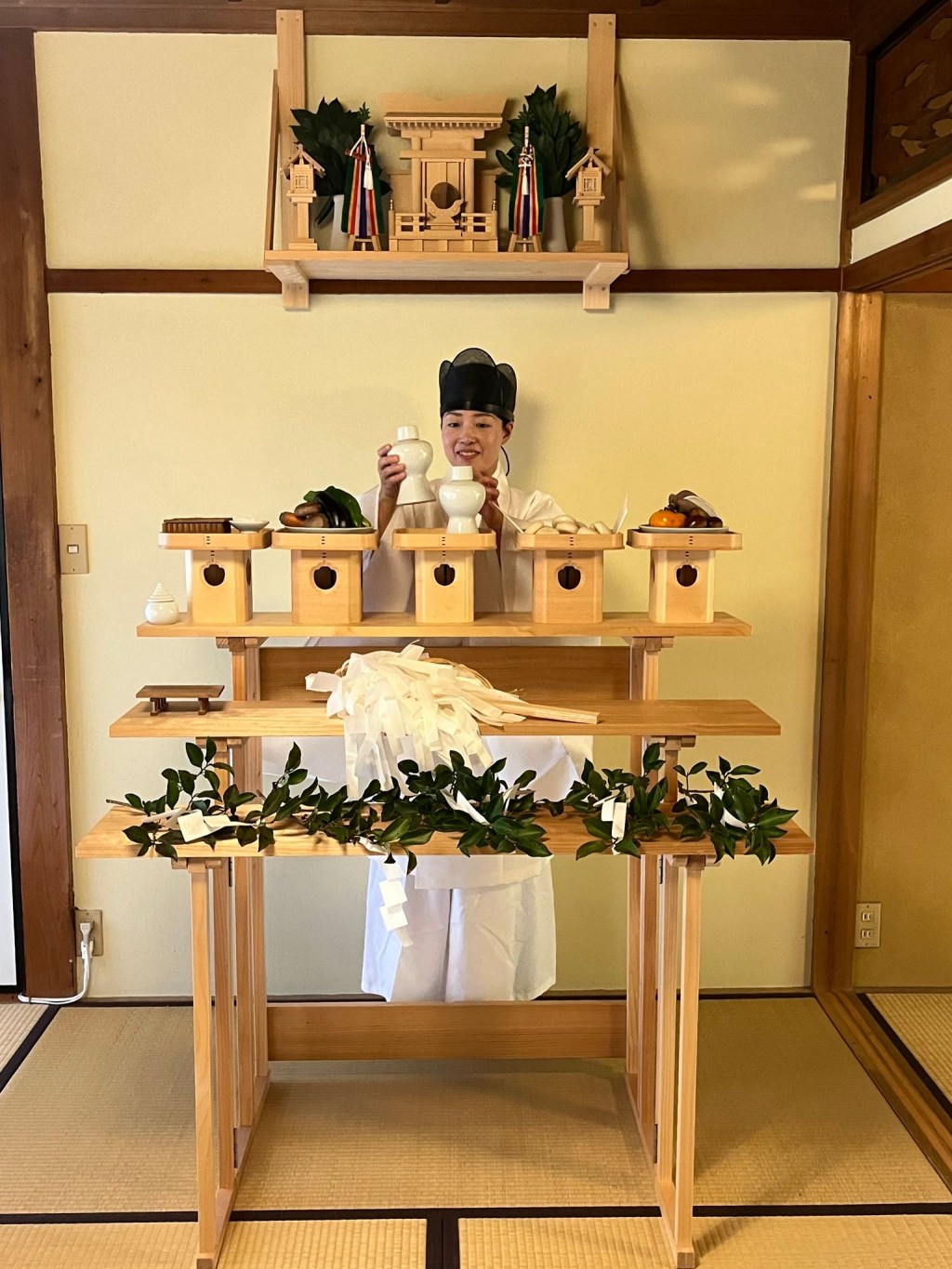
A few days before the program officially started, a Shinto priest performed a ceremony to bless the program, the school, and all of the participants. I felt deeply honored to see this program begin with ceremony. A ceremony recognizes this… Continue reading
 The Wooden Mirror